“They are so green!” Dr. Katie DuBois exclaimed as I held the fluorescent green test tube in my hand. The contents of this test tube may look like some vile concoction from a mad science lab, but they are in fact the remnants of a marine plant called eelgrass, Zostera marina.
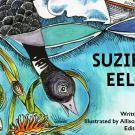
Suzie and the Eelgrass Geese is the story of a young girl who lives in a small town on the coast of California whose love of the ocean leads her to work with a Professor at a local marine lab on an experiment that teaches important lessons about the balance of nature.
Using science to inform the restoration of California’s underwater forests
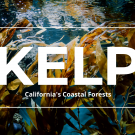
Kelp forests are underwater forests that support some of the world’s most productive fisheries and unique ecosystems. Kelp forests occur throughout the world. California’s kelp forests are particularly unique, as our “redwood forests of the sea” are among the tallest and most productive of the world: Northern California’s “bull kelp” grow an average of 4 in./day and can reach heights over 100 ft.
The first seminar in CMSI's new Climate Justice Seminar Series will be on November 30th at 1 pm and will feature speaker Dr. Ayana Elizabeth Johnson in a moderated discussion with Ph.D. Candidate Carina Fish.
Oceans have always done us a favor, absorbing carbon dioxide in the atmosphere. But now rising greenhouse gases are warming the ocean and changing its chemistry. All of this is putting marine species and ecosystems at risk, threatening food security and the livelihoods of people along its shores. In this episode of Unfold, we’ll take a deep dive into the ocean to examine the effects of climate change.
Bodega Marine Lab undergraduate students Michael Brito and Kenzie Pollard just won first prize for their short film, submitted to the 2020 UC Davis Research Rockstars Undergrad Slam Video Contest! Michael and Kenzie made their video as part of their independent research project last summer during the Coastal Marine Research (BIS 124) class at the laboratory, working under the guidance of Eric Sanford.
Under the unseasonably warm June sun with the Seattle Space Needle as our reference point, Dr. Jamey Selleck and I don our thick wetsuits. The air may be warm, but the water is still frigid. Our small boat bobs in the water as our captain, Brian Allen, scans our surroundings.
“Nothing.” He remarks with resignation.
We sigh, finish connecting our hoses and checking our gauges, then plunge into the icy water.