

The Summer I Turned Into a Researcher
An SRJC-BML Internship Story
My name is Kaye Burfoot, and I am a Biology student at Santa Rosa Junior College. At the end of this year I will be graduating from SRJC with an AS in Biology and transferring to San Francisco State University to finish my BS in Biology with a focus in Conservation and Ecology. Trying to find ways to make human interactions with the natural world sustainable and healing for both people and planet has been the north star of my life, and I am particularly interested in botany, habitat restoration and regenerative agriculture. During this internship, I worked in Dr. Hill’s Ocean Climate Lab under the PhD candidate Elisabeth Sellinger.
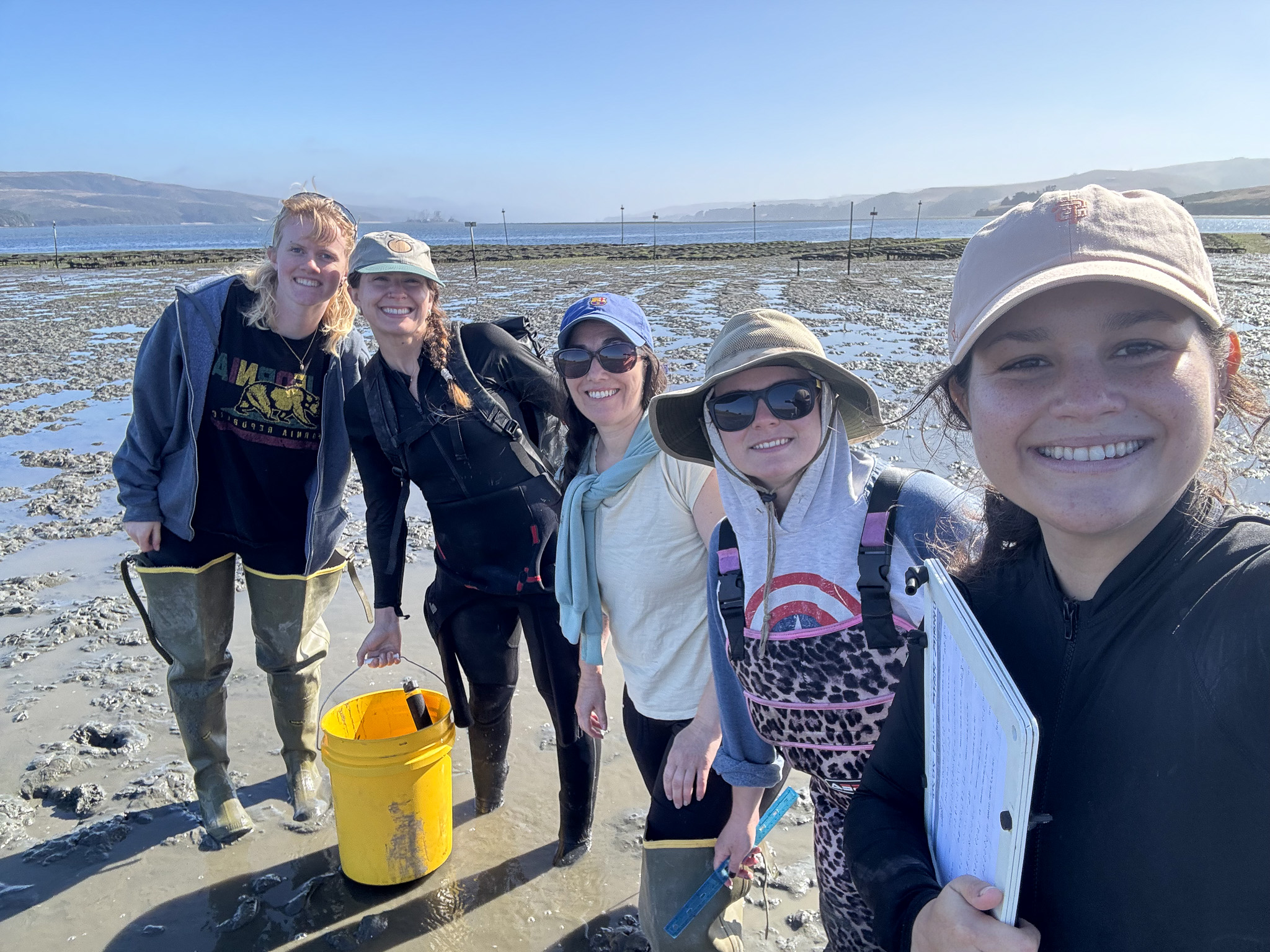
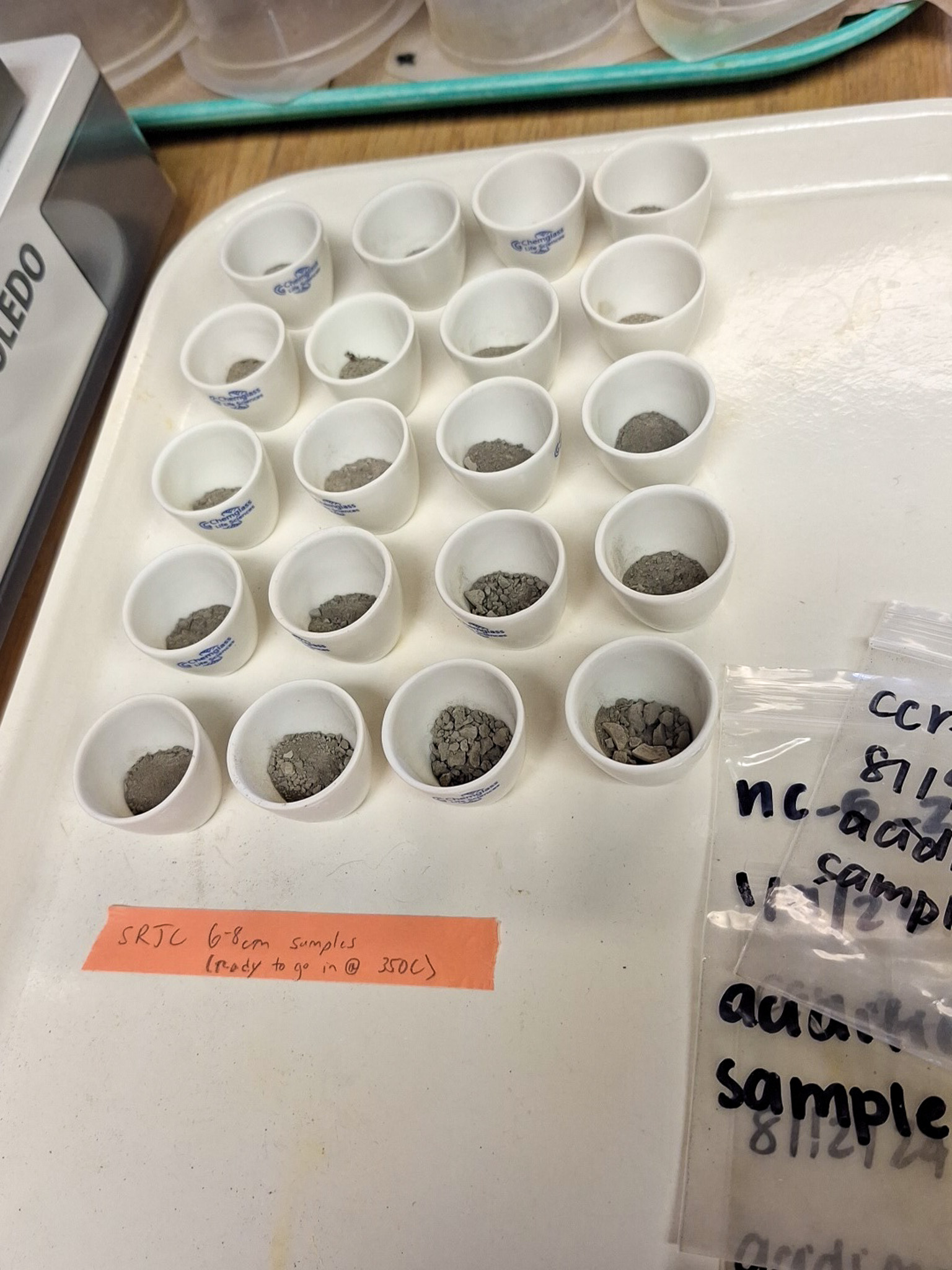
With my mentor Elisabeth, myself and the other intern studied the organic carbon content of the sediment of restored and natural seagrass meadows. We determined the organic carbon stability, i.e. how easily it will degrade under varying environmental pressures. We did this by measuring the mass of sediment that burned off at different temperatures, a process known as thermogravimetric analysis. This was especially exciting to me because I got to be a part of research involving the effects of habitat restoration, as several of the sites that we examined were restored seagrass meadows. We were able to compare the carbon stocks of restored vs. natural seagrass meadows, and we were able to compare the carbon stocks at different depths beneath the sediment surface. When we weren’t weighing soil samples, we spent much of the summer researching seagrass sedimentation and what specific organic carbon compounds tend to burn off at different temperatures. I got a lot of experience navigating research search engines like Web of Science and Google Scholar, and following the threads of references to find the original research of the information that I needed, as well as using review articles to get an overview of where current research stands.
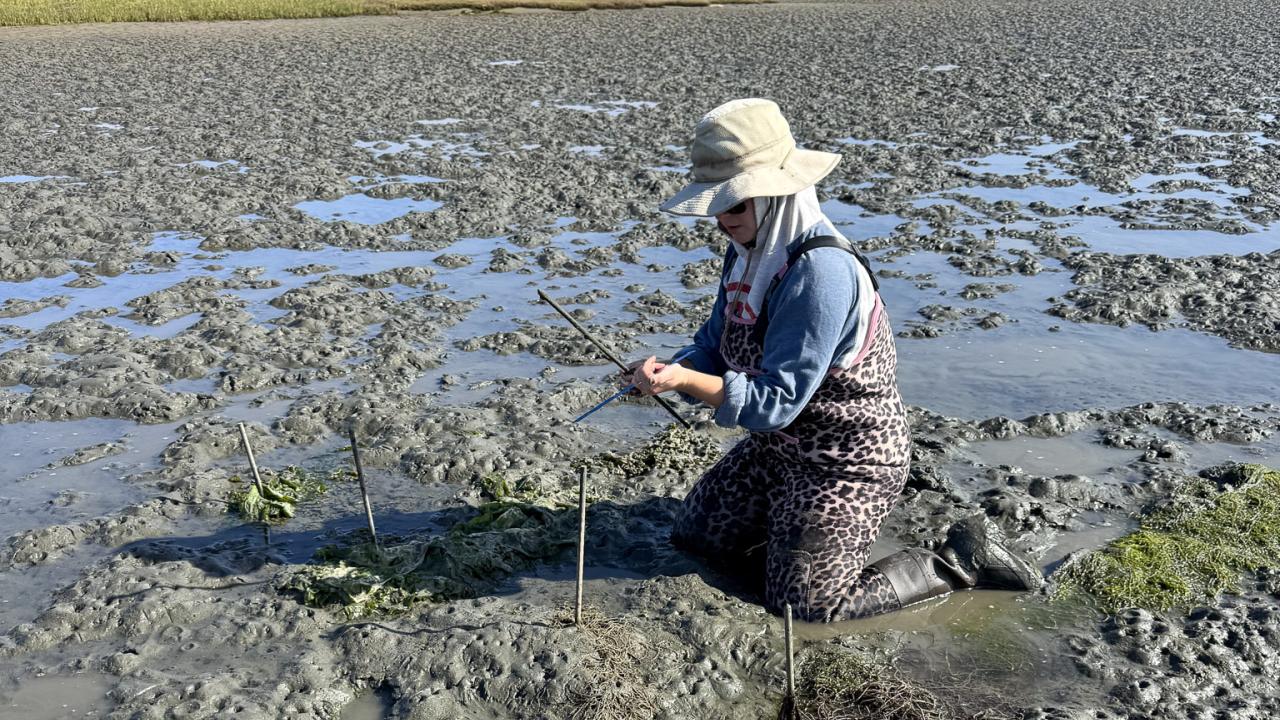
One of the most exciting days of the internship was our field work day, where we went out to Tomales Bay to measure how much sediment had accumulated within Hog Island Oyster Company aquaculture plots. Getting to experience the messy, sticky, always-going-wrong world of field research was incredibly charming and shattered any kind of idea of an ivory tower that never sees the outside world. I ended up getting so stuck in the mud flats that I had to crawl through them to get across to the testing site, and we had to use a metal detector to find our sedimentation plates because the flags that had been used to mark them were completely washed away. It was windy and wet and my galoshes didn’t fit, and I had a blast.
When Liyu and Deva first came to my Zoology class to present the BML-SRJC internship, I really didn’t know anything about internships, graduate school, research labs, or field work. I almost didn’t apply, because my focus isn’t marine biology. However, even though I still don’t plan to focus on marine biology or marine science, this experience has still been pretty life changing. Simply being able to form a connection with a graduate student and ask her questions about how the world of science, research, and academia work has completely changed my perspective, not to mention the weekly Professional Development Meetings that specifically went over topics such as academic structure, jobs in industry vs. academia, career paths, and scientific communication. Before this internship, I was on the fence about whether or not I wanted to go to grad school or stop after my BS, and most of that uncertainty came from not really knowing anything about the process of applications or research or whether I would even be able to pay for a graduate degree or use the degree once I had it. Through this experience, I have absolutely fallen in love with the process and environment of research and firmly solidified my goal to apply for a PhD program once I finish my BS. I also feel far more prepared to head into the process of applying and deciding where I want to apply, and choosing what program fits my goals and passions. Everyone that I encountered at BML was patient, passionate, and welcoming, and doing truly incredible work that gives me hope for our struggling planet, and I want to be a part of that work and help us further our understanding of natural systems in some small way.
About the Program:
The SRJC-BML Internship Program provides summer research opportunities for Santa Rosa Junior College students at the Bodega Marine Laboratory.